
Water Softener & Filtration Systems
Water Softener & Filtration Systems in Chandler, AZ
Chandler's water is hard.
ot “a little hard” — genuinely hard, typically testing between 12 and 20 grains per gallon. That mineral content is quietly wearing down your pipes, your water heater, and your appliances every single day, whether you notice it or not.
My Hero Plumbing installs water softeners and filtration systems across Chandler, Scottsdale, Mesa, Gilbert, Tempe, and the East Valley to protect your home before hard water causes expensive damage.
Water Softener & Filtration Systems
Water Softener & Filtration Systems in Chandler, AZ
Chandler's water is hard.
ot “a little hard” — genuinely hard, typically testing between 12 and 20 grains per gallon. That mineral content is quietly wearing down your pipes, your water heater, and your appliances every single day, whether you notice it or not.
My Hero Plumbing installs water softeners and filtration systems across Chandler, Scottsdale, Mesa, Gilbert, Tempe, and the East Valley to protect your home before hard water causes expensive damage.
Signs You Have a Hard Water Problem
- White, chalky spots on faucets, shower doors, and dishes
- Soap and shampoo that don't lather well
- Clothes coming out of the wash feeling stiff or scratchy
- Skin feeling dry or itchy after a shower
- Reduced water pressure over time from mineral buildup in pipes
- A water heater that seems to be working harder than it should
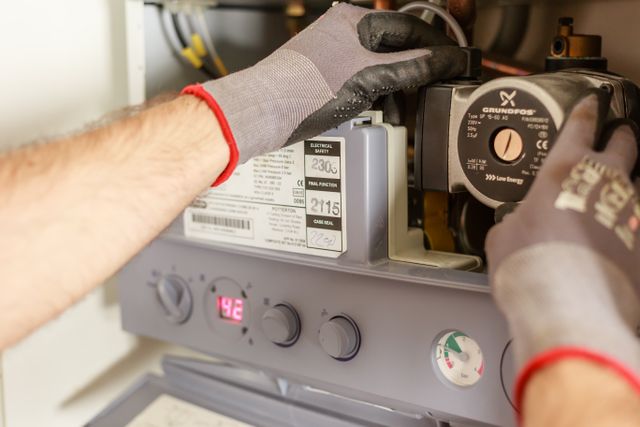
Why Chandler's Water Is So Hard
Chandler’s water comes from a mix of canal water and groundwater wells, both of which naturally carry high levels of calcium and magnesium. Testing typically comes in at 12 to 20 grains per gallon, which is firmly in the “hard” to “very hard” range on any water hardness scale.
This isn’t unique to a few homes — it’s a regional issue that affects nearly every property in Chandler, Gilbert, Mesa, and the surrounding East Valley. The only real question is how much damage it’s already done to your plumbing and appliances.
What Hard Water Actually Costs You Over Time
Hard water doesn’t cause a dramatic, obvious failure. It causes slow, expensive damage that adds up:
A water softener addresses the root cause instead of letting you keep paying for the downstream damage.
Water heaters wear out faster
as mineral sediment builds up inside the tank, forcing it to work harder and shortening its lifespan
Pipes narrow over time
as scale builds up on the interior walls, which can also lead to more frequent drain clogs
Fixtures and appliances degrade faster
because hard water makes them less effective
You spend more on soap, detergent, and cleaning products
because hard water makes them less effective
Water Softener vs. Water Filtration:
What's the Difference?
These two systems solve different problems, and a lot of homeowners aren’t sure which one they actually need.
A water softener
A water filtration system
Reverse osmosis (RO) systems
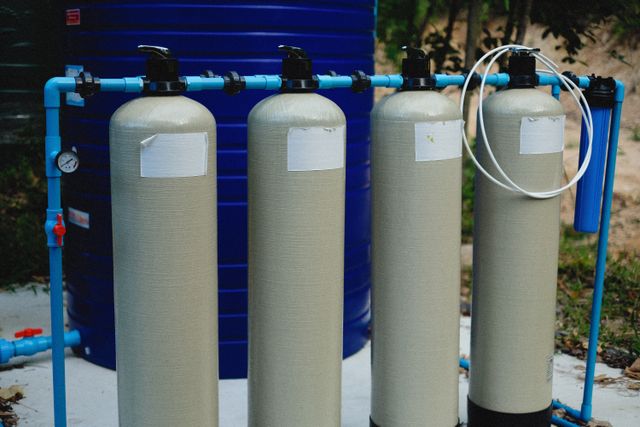
Reverse Osmosis System Installation
If you’re tired of buying bottled water or don’t love the taste of your tap water, a reverse osmosis system installed under your kitchen sink filters your drinking water directly, giving you cleaner-tasting water on demand without the plastic bottle waste. We install RO systems as a standalone upgrade or alongside a whole-house softener for complete coverage.
Our Water Softener Installation Process
01
We test your water
02
We recommend the right size system
03
We give you a clear price
04
We install it properly
05
We walk you through maintenance
Who Benefits Most From a Softener in the East Valley
Newer homes in Gilbert and Queen Creek
Older homes in Chandler, Mesa, and Ahwatukee
Premium homes in Scottsdale and Paradise Valley
Salt-Based vs. Salt-Free Water Softeners
Not all softening systems work the same way, and it’s worth understanding the difference before you decide.
Salt-based softeners
Salt-free conditioners
For water testing at 12 to 20 grains per gallon, we typically recommend a salt-based system for homeowners who want real, measurable protection, though we’ll walk you through both options honestly based on your specific water test results and preferences.
How Soon You'll Notice a Difference
Most homeowners notice a difference within days of a new softener being installed. Soap lathers more easily, skin and hair feel less dry, and dishes come out of the dishwasher without the cloudy spots that hard water leaves behind.
The bigger, longer-term benefit — protecting your pipes, water heater, and appliances from scale damage — builds up over months and years, which is exactly why it’s worth installing proactively rather than waiting until you’ve already replaced a water heater or dealt with a slab leak caused by hard water corrosion.
Testing Your Water Before and After Installation
We test your water hardness before recommending a system, so you have real numbers rather than a general assumption about how hard your water is. After installation, we test again to confirm the system is actually performing the way it should, giving you before-and-after proof rather than just taking our word for it.
This matters because a softener that isn’t sized or calibrated correctly for your household’s water usage may seem like it’s working while still leaving some hardness in your water. Testing on both ends ensures you’re actually getting the protection you paid for.
Water Softener Maintenance and What to Expect
Ongoing maintenance for a salt-based softener mainly involves periodically refilling the salt tank, which most homeowners handle themselves without any trouble. We’ll show you exactly how during installation, including how often to check it based on your household’s water usage.
If you ever notice your water feeling harder than usual, it’s often just a sign the salt tank needs a refill, an easy fix rather than a system malfunction.
Combining a Softener With Other Plumbing Upgrades
If you’re already having other plumbing work done, like a water heater replacement or a remodel, it’s often worth having a softener installed at the same time. Doing so protects your new water heater or fixtures from hard water damage right from day one, instead of exposing brand-new equipment to the same corrosive water that damaged what you just replaced. We’re happy to talk through bundling a softener installation with other work you have planned.
Areas We Serve for Water Softener & Filtration
Chandler (Home Base)
85224, 85225, 85226, 85248, 85249, 85286
Scottsdale
85250, 85251, 85254, 85255, 85256, 85257, 85258, 85259, 85260, 85262, 85266
Mesa
85201–85215
Gilbert
85233, 85234, 85295, 85296, 85297, 85298
Tempe
85281, 85282, 85283, 85284
Queen Creek
85140, 85142
Ahwatukee Foothills
85044, 85045, 85048
Apache Junction
85119, 85120
Paradise Valley
85253
Arcadia (Phoenix)
85018
Why homeowners call us
Why Homeowners Trust Us With Water Treatment
We test before we recommend
We explain the real cost of doing nothing
Honest installation, no upsells
We understand this specific region's water
Protect Your Home From Chandler's Hard Water
The damage hard water causes is slow, quiet, and expensive if you ignore it. A softener stops it at the source.